Repair Shop Archive ARTICLES FROM THE PAST |
|
OCTOBER SEPTEMBER 15 - OCTOBER 20 That is one of the great mysteries of the universe! The 10mm socket is famously the most common size to go missing for anyone who works on cars or other machinery. It's such a well-known problem that it's become a major running joke among mechanics and DIYers. While I can't magically find your specific socket, here are the most common places they like to hide: | CONTINUED FROM OCTOBER The "hardest job" for a mechanic typically isn't a single, straightforward repair, but rather a combination of complexity, inaccessibility, and technical specialization. Based on consensus from professional mechanics, the most challenging tasks are: Electrical Diagnostics and Intermittent Issues This is often cited as the most frustrating because it requires more detective work and advanced knowledge than physical labor; The Challenge: Modern vehicles are entirely run by complex computer networks and miles of wiring. An intermittent problem (one that only happens sometimes) means the mechanic has to use advanced diagnostic tools and wiring diagrams to trace a fault that may not be present when the car is in the shop. |
NOVEMBER OCTOBER 20 - NOVEMBER 17 Radiator fixes primarily address leaks, clogs, and trapped air. Fixing Leaks: Add commercial Leak Sealant to the coolant/water, the product circulates and plugs minor leaks. Temporary fix for small leaks to safely reach a repair shop. This can sometimes clog heater cores or coolant channels and is not a permanent solution. Visible Cracks/Holes use JB Weld: The area around the leak must be meticulously cleaned and dried before a specialized epoxy is applied. Short-term to long-term fix for plastic or metal tanks/cores where the damage is isolated and accessible. Radiator Hoses. If a hose is brittle, cracked, or leaking at the connection point, replace it and use new clamps. Tighten the Nut or Valve, a slight tightening with a wrench will stop the leak. If the leak persists, the internal seal may need replacement. Clogs and Contamination Problem: The old coolant is drained, and a specialized radiator cleaner/super flush is added to the system and circulated to break down rust and mineral deposits. Preventative maintenance (usually every 2-5 years) to maintain optimal cooling efficiency. Blockage Power Flushing: An aggressive flushing process that can dislodge stubborn internal blockages in the radiator tubes. For radiators that are still structurally sound but show signs of reduced flow or overheating due to clogs. | CONTINUED FROM NOVEMBER Which Part Should You Choose? The optimal choice depends on the component's function: Best for Factory (OEM) Parts Use OEM parts when safety, exact fit, or complex electronics are critical. Safety/Structural Components: Airbags, seatbelts, collision-related body panels, and sensors (like ABS or stability control sensors). Aftermarket body panels may not fit correctly or have proper crumple zones. Complex Electronics/Sensors: Engine Control Unit (ECU), mass airflow sensors, and oxygen sensors. These often need perfect compatibility with the vehicle's computer system. Vehicles Under Warranty or Lease: Using OEM parts helps avoid potential warranty disputes and often satisfies lease return requirements. |
DECEMBER NOVEMBER 17 - DECEMBER 15 The "best" headlight for your car depends on a few factors, including what's compatible with your vehicle, your budget, and your priorities (like brightness, lifespan, or color). Here is a breakdown of the three main types of headlight bulbs and how to find the right one for your car: | CONTINUED FROM DECEMBER A "lifetime brake pad" warranty can be a good deal, but it's important to understand what it actually covers. The Good (Pros) Free Replacement Pads (Parts Only): In most cases, a lifetime warranty means the retailer or manufacturer will give you a new set of brake pads free of charge when your old set wears out for as long as you own the vehicle. This can save you the cost of the parts multiple times over. The Caveats (Cons & Important Details) Labor is NOT Included: This is the biggest catch. The warranty usually covers only the cost of the brake pads. You will still have to pay for the labor to have the new pads installed, which is often the most expensive part of a brake job. "Lifetime" is Limited: The warranty is typically for the lifetime of the product (the pads themselves) and is non-transferable, meaning it only applies to the original purchaser and for as long as you own that specific vehicle. |
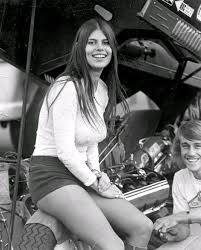 | Jungle Pam Hardy is still alive. She is the iconic figure known as "Jungle Pam" who was the companion, "backup girl," and sidekick of the legendary Funny Car drag racer, "Jungle" Jim Liberman, in the 1970s. |
Show coverage better than the KGB